




Women for Women International - small Grant Project "Advancing Rural Women’s Entrepreneurship and Local Economic Inclusion".
"If Only They Asked Me…" – A Campaign That Opened Space for the Voices of Over 1,000 Women and Citizens Across BiH
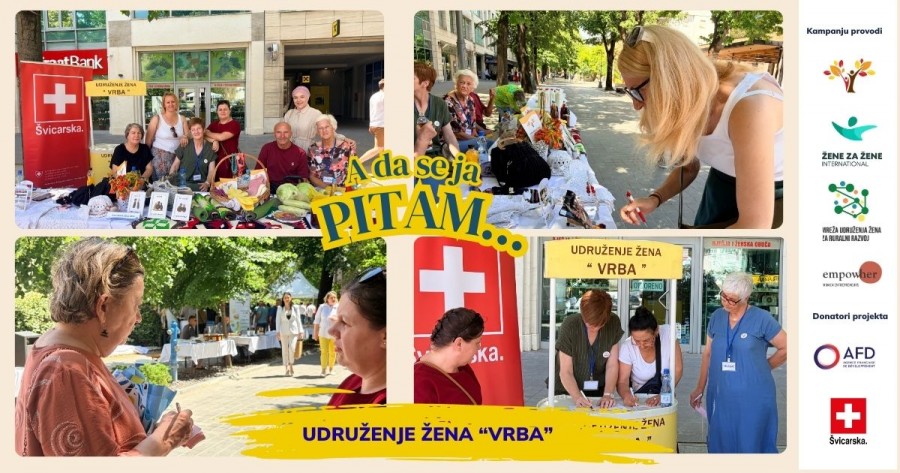
Through public activities, meetings, workshops, and round tables in Zavidovići, Konjic, Jablanica, Mostar, Istočno Sarajevo, Ahmići (Vitez), Tešanj, Visoko, Sarajevo, and Kakanj, women opened a dialogue with their fellow citizens and collected more than 1,000 messages about the kind of communities they want to build.
The messages from citizens were concrete and clear:
✔️ Work that is seen and fairly valued – Women called for more opportunities for employment and starting their own businesses, more accessible education, financial support, and space to showcase and sell their products, with a clear demand that women's work be made more visible and more fairly paid.
"If only I were asked, there would be more support for women entrepreneurs from rural areas," says Mersiha from Zavidovići.
✔️ A seat at the table where decisions are made – Women want to be included in discussions about the development of their local communities, to have more information and opportunities for participation, and to be consulted on decisions that directly affect their everyday lives.
✔️ No woman left alone – The messages pointed to the situation of older and isolated women and the need for better healthcare and social protection, as well as greater opportunities for women in their later years to remain active in community life.
The messages were not only about the position of women, but also about the quality of life in communities as a whole – infrastructure, public services, healthcare, and opportunities for young people.
The campaign, therefore, did not end with the collection of messages. The conversations were translated into local priorities and recommendations that women's associations can use in further dialogue with local authorities and other stakeholders. Among the recommendations are greater support for women's entrepreneurship, start-up grants, education and training, access to markets and sales spaces, regular consultations with women, and stronger inclusion of women in local decision-making.